
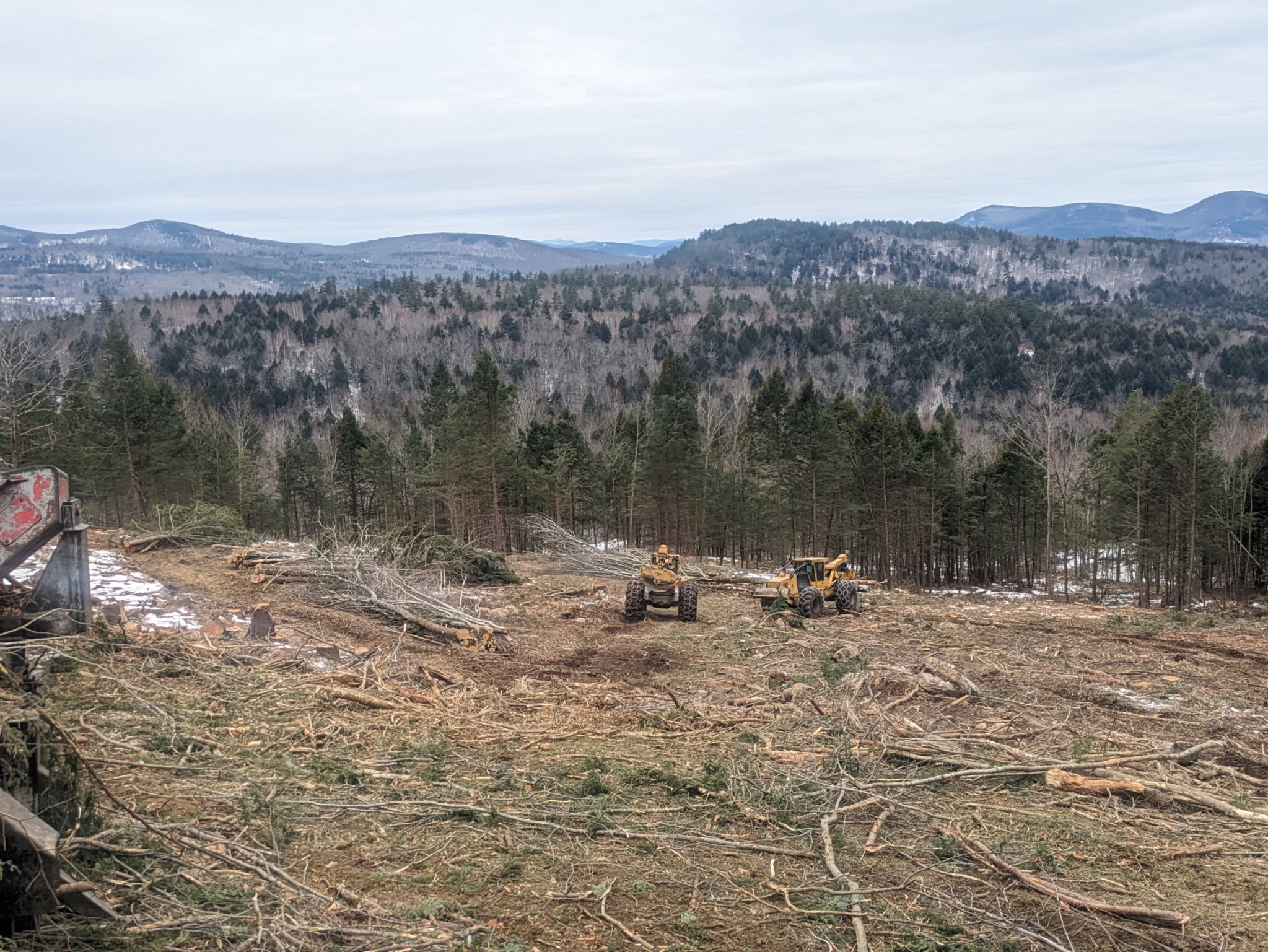
Logging operations encompass the planning, harvesting, processing, and transportation of timber from forest to market while managing safety, environmental impact, and regulatory compliance.
Site assessment and planning: Survey terrain, timber inventory, access routes, and environmental constraints. Develop harvest plans, determine cutting methods (clearcut, selective, shelterwood), layout skid trails and landings, and obtain permits.
Tree felling: Use chainsaws or mechanized harvesters to fall trees safely and efficiently. Felling technique considers tree lean, wind, surrounding trees, and worker safety. Hazard controls include escape routes, exclusion zones, and PPE.
Delimbing and bucking: Remove limbs and cut stems into specified log lengths at the stump or at the landing. Mechanized processors increase speed and reduce manual risk.
Skidding and yarding: Move felled logs to landings using skidders, forwarders, cable yarding systems depending on slope, distance, and environmental sensitivity. Choose systems to minimize soil disturbance and damage to residual trees.
Loading and hauling: Load processed logs onto trucks with loaders or grapples. Transport to mills, yards, or export terminals following weight, route, and road-use regulations.
Processing and scaling: At mills or log yards, logs are graded, scaled (measured), and sorted by species, size, and quality. Value recovery depends on accurate scaling and efficient breakdown.
Logging operations encompass the planning, harvesting, processing, and transportation of timber from forest to market while managing safety, environmental impact, and regulatory compliance.
Site assessment and planning: Survey terrain, timber inventory, access routes, and environmental constraints. Develop harvest plans, determine cutting methods (clearcut, selective, shelterwood), layout skid trails and landings, and obtain permits.
Tree felling: Use chainsaws or mechanized harvesters to fall trees safely and efficiently. Felling technique considers tree lean, wind, surrounding trees, and worker safety. Hazard controls include escape routes, exclusion zones, and PPE.
Delimbing and bucking: Remove limbs and cut stems into specified log lengths at the stump or at the landing. Mechanized processors increase speed and reduce manual risk.
Skidding and yarding: Move felled logs to landings using skidders, forwarders, cable yarding systems depending on slope, distance, and environmental sensitivity. Choose systems to minimize soil disturbance and damage to residual trees.
Loading and hauling: Load processed logs onto trucks with loaders or grapples. Transport to mills, yards, or export terminals following weight, route, and road-use regulations.
Processing and scaling: At mills or log yards, logs are graded, scaled (measured), and sorted by species, size, and quality. Value recovery depends on accurate scaling and efficient breakdown.